
$200.00

Core Ingredients and Formulation
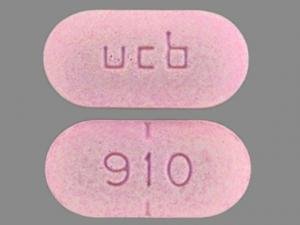
  • Active Ingredient: Oxymorphone hydrochloride (available in various strengths, such as 5 mg, 10 mg, 20 mg, and 40 mg).
  • Inactive Ingredients: The tablets contain inactive components including lactose monohydrate, magnesium stearate, and pregelatinized starch.
  • Colorants: Depending on the strength, tablets may contain dyes such as FD&C blue No. 2 aluminum lake (5 mg) or D&C red No. 30 aluminum lake (10 mg).
  • Formula Type: The product was designed in both immediate-release (IR) and extended-release (ER) forms.

                  Oxymorphone (opana)

Opana is a prescription opioid that contains oxymorphone, a powerful analgesic used to manage moderate to severe pain. It is typically prescribed when other pain treatments are not effective and requires strict medical supervision.

This guide explains the uses, how it works, dosage context, effects, and key safety considerations of oxymorphone.


What Is Oxymorphone (Opana)?

Oxymorphone is a central nervous system opioid analgesic that alters how the brain perceives pain.

Key points:

  • ✔️ Prescription-only medication
  • ✔️ Available in immediate-release and extended-release forms
  • ⚠️ High potency requiring careful monitoring

Medical Uses

Oxymorphone may be prescribed for:

1. Moderate to Severe Pain

  • Injury-related or post-surgical pain

2. Chronic Pain Management

  • Long-term pain requiring continuous opioid therapy

How It Works

Oxymorphone binds to opioid receptors in the brain and spinal cord.

This leads to:

  • Reduced perception of pain
  • Altered emotional response to discomfort

Dosage Considerations

  • Dosage varies based on:
    • Patient condition
    • Opioid tolerance
    • Individual response
  • Extended-release forms are designed for long-lasting pain control

⚠️ Extended-release tablets should not be crushed or broken.


Potential Effects

When used as prescribed, oxymorphone may:

  • Provide strong pain relief
  • Produce relaxation
  • Cause sedation

Effects vary between individuals.


Side Effects

Common side effects may include:

  • Drowsiness
  • Dizziness
  • Nausea
  • Constipation

Serious side effects require immediate medical attention.


Safety and Risk Considerations

Oxymorphone carries significant risks, especially due to its potency.
⚠️ Key Risks:

  • Respiratory depression
  • Dependency and misuse potential
  • Risk of overdose
  • Central nervous system depression
  • Dangerous interactions with alcohol or other depressants