$350.00

General oxycodone detection windows:

  • Blood test: up to 24 hours
  • Urine test: up to 4 days
  • Saliva test: up to 4 days
  • Hair follicle test: up to 90 days
  • These are averages. Your results may vary based on:
  • How long and how often you’ve used oxycodone
  • Your age, weight, and metabolism
  • Kidney and liver function
  • Hydration and physical activity
  • Whether you’re taking other medications

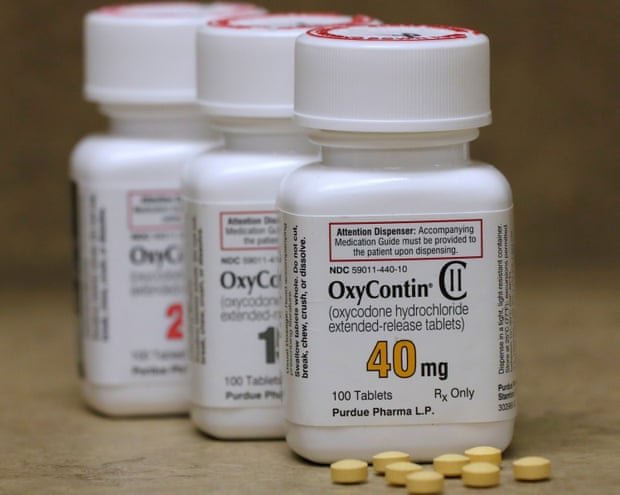
                    Oxycodone 40 mg

Oxycodone 40 mg is a high-strength prescription opioid used for the management of moderate to severe pain, typically when other treatments are not effective. This dosage is often associated with extended-release formulations, intended for long-lasting pain control under strict medical supervision.

This guide outlines the uses, dosing context, effects, and key safety considerations for oxycodone 40 mg.


What Is Oxycodone 40 mg?

Oxycodone is a central nervous system opioid analgesic that alters how the brain and body respond to pain.

Key points:

  • ✔️ Prescription-only medication
  • ✔️ Used for serious pain management
  • ⚠️ Higher strength requiring careful monitoring

Medical Uses

Oxycodone 40 mg may be prescribed for:

1. Chronic Pain Management

  • Long-term pain conditions
  • Cases requiring continuous opioid therapy

2. Severe Pain

  • When lower doses or other medications are insufficient

How It Works

Oxycodone works by binding to opioid receptors in the brain and spinal cord.

This leads to:

  • Reduced perception of pain
  • Altered emotional response to discomfort

Dosage Considerations

  • 40 mg is considered a high dose, often used in extended-release (ER) forms
  • Typically prescribed for patients with opioid tolerance
  • Dosage depends on:
    • Medical condition
    • Prior opioid use
    • Individual response

⚠️ Extended-release tablets should not be crushed or broken.


Potential Effects

When used as prescribed, oxycodone may:

  • Provide sustained pain relief
  • Promote relaxation
  • Cause sedation

Effects vary between individuals.


Side Effects

Common side effects may include:

  • Drowsiness
  • Dizziness
  • Nausea
  • Constipation

Serious side effects require immediate medical attention.


Safety and Risk Considerations

Oxycodone carries significant risks, especially at higher doses.

⚠️ Key Risks:

  • Respiratory depression
  • Dependency and misuse potential
  • Risk of overdose
  • Central nervous system depression
  • Dangerous interactions with alcohol or other depressants