$90.00

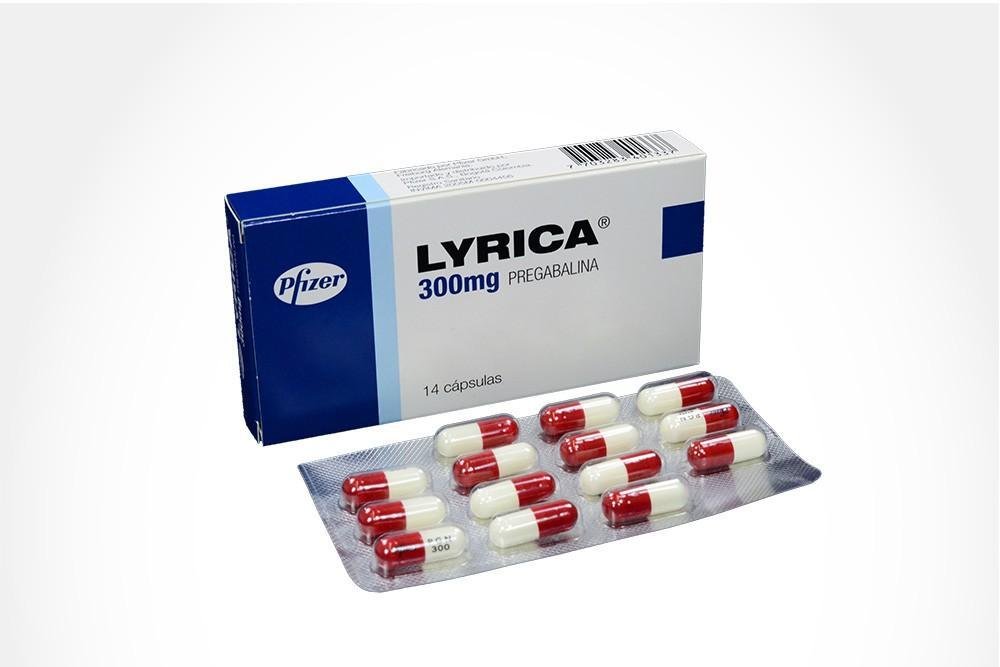
Strength 300 mg
Form Capsule
Brand Lyrica
Composition Pregabalin
Packaging Size 10 tablets
Prescription Type Prescription
Usage Neuropathic Pain
Packaging Type Strip
Shelf Life 36 months
Manufacturer Type Own Brand
Availability In Stock

                Lyrica 300 mg

Lyrica 300 mg contains pregabalin, a prescription medication used to treat certain types of nerve pain, seizure disorders, and other neurological conditions. It works by calming overactive nerve signals in the brain and body.

This guide explains the uses, how it works, dosage context, effects, and key safety considerations of Lyrica 300 mg.


What Is Lyrica 300 mg?

Lyrica is the brand name for pregabalin, a medication classified as an anticonvulsant and neuropathic pain agent.

Key Points:

  • ✔️ Prescription-only medication
  • ✔️ Used for nerve-related conditions
  • ⚠️ Requires proper medical supervision

Medical Uses

Lyrica 300 mg may be prescribed for:

1. Neuropathic Pain

  • Diabetic nerve pain
  • Postherpetic neuralgia (after shingles)

2. Seizure Disorders

  • Adjunct treatment for partial seizures

3. Fibromyalgia

  • Chronic widespread pain

4. Generalized Anxiety Disorder (in some regions)

  • Used under specific medical guidance

How It Works

Pregabalin works by reducing abnormal electrical activity in the nervous system.

Effects:

  • Decreases nerve signal transmission
  • Reduces pain sensation
  • Stabilizes nerve activity

Dosage Considerations

  • 300 mg may be part of a daily dosing regimen (often divided doses)
  • Dose depends on:
    • Condition being treated
    • Patient response
    • Kidney function

⚠️ Always follow prescribed dosage instructions.


Potential Effects

When used as prescribed, Lyrica may:

  • Reduce nerve pain
  • Improve quality of life
  • Help control seizures

Side Effects

Common:

  • Dizziness
  • Drowsiness
  • Weight gain
  • Dry mouth

Less Common:

  • Blurred vision
  • Swelling in extremities

Safety and Risk Considerations

⚠️ Key Risks:

  • Drowsiness and impaired coordination
  • Dependence potential in some cases
  • Withdrawal symptoms if stopped abruptly
  • Interaction with alcohol or sedatives