
$150.00

  • Drug Type: Opioid Agonist (Narcotic).
  • Formulation: Typically available as extended-release (ER) or sustained-release (SR) tablets or capsules designed to release medication over a period of 12 to 24 hours.
  • Indication: Management of pain severe enough to require daily, around-the-clock, long-term opioid treatment and for which alternative treatment options are inadequate. It is generally reserved for patients who are already opioid-tolerant.
  • Administration: This medication must be taken exactly as prescribed by a healthcare provider. Altering the tablet or capsule in any way (such as crushing or dissolving it) is extremely dangerous and increases the risk of serious medical complications or overdose.
  • Side Effects: Common side effects include constipation, nausea, drowsiness, dizziness, and dry mouth.
  • Safety Warnings: This medication carries a high risk of addiction, abuse, and misuse, which can lead to overdose and death. It may also cause life-threatening respiratory depression (dangerously slow breathing).

                      Morphine sulfate 60 mg

Morphine sulfate 60 mg is a high-strength prescription opioid used for the management of moderate to severe pain, particularly in cases requiring continuous, long-term treatment. This strength is often associated with extended-release formulations, designed to provide lasting pain relief under medical supervision.

This guide explains the uses, dosing context, effects, and key safety considerations of morphine sulfate 60 mg.


What Is Morphine Sulfate 60 mg?

Morphine sulfate is a central nervous system opioid analgesic that alters how the body perceives and responds to pain.

Key points:

  • ✔️ Prescription-only medication
  • ✔️ Commonly used for severe or chronic pain
  • ⚠️ Higher-strength dose requiring careful monitoring

Medical Uses

Morphine sulfate 60 mg may be prescribed for:

1. Chronic Pain Management

  • Long-term pain conditions
  • Cancer-related pain
  • Severe ongoing pain requiring opioid therapy

2. Severe Acute Pain

  • When other pain treatments are insufficient

How It Works

Morphine works by binding to opioid receptors in the brain and spinal cord.

This leads to:

  • Reduced perception of pain
  • Altered emotional response to discomfort

Dosage Considerations

  • 60 mg is considered a high dose, often used in extended-release (ER) forms
  • Typically prescribed for patients with opioid tolerance
  • Dosage depends on:
    • Medical condition
    • Prior opioid use
    • Individual response

⚠️ Extended-release tablets should not be crushed or broken.


Potential Effects

When used as prescribed, morphine sulfate may:

  • Provide sustained pain relief
  • Promote relaxation
  • Cause sedation

Effects vary between individuals.


Side Effects

Common side effects may include:

  • Drowsiness
  • Dizziness
  • Nausea
  • Constipation

Serious side effects require immediate medical attention.


Safety and Risk Considerations

Morphine carries significant risks, especially at higher doses.
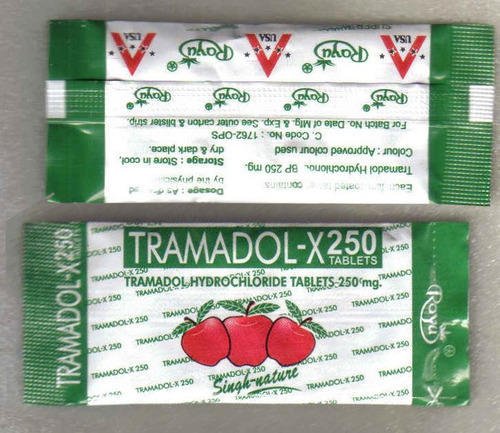
⚠️ Key Risks:

  • Respiratory depression
  • Dependency and misuse potential
  • Risk of overdose
  • Central nervous system depression
  • Dangerous interactions with alcohol or other depressants