Original price was: $130.00.Current price is: $95.00.

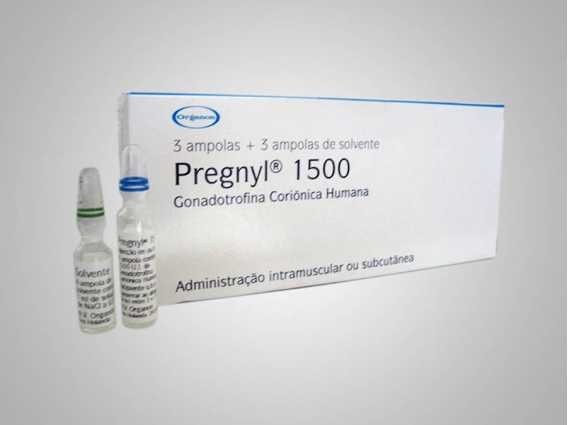
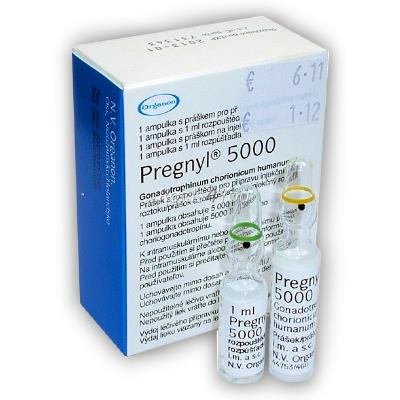
If you’re researching Pregnyl (hCG – human chorionic gonadotropin), you are likely trying to understand its role in hormone regulation, fertility, and endocrine health.

This guide explains what hCG is, how it works in the body, and its medical uses in a clear, science-based way.


 Product Overview (Educational Context)

Human chorionic gonadotropin (hCG) is a hormone naturally produced during pregnancy. In medical settings, synthetic forms such as Pregnyl are used in specific clinical treatments under supervision.

It is commonly discussed in:

  • Fertility and reproductive medicine
  • Endocrinology and hormone research
  • Testosterone and endocrine function studies
  • Clinical hormone therapy contexts

Why it is widely studied:

  • Role in reproductive hormone signaling
  • Interaction with luteinizing hormone (LH) pathways
  • Use in medical fertility protocols
  • Influence on testosterone production mechanisms

 Key Benefits (Informational Perspective)

In medical literature and clinical contexts, hCG is associated with:

  • Supporting ovulation induction in fertility treatments
  • Mimicking luteinizing hormone (LH) activity in the body
  • Supporting testosterone production pathways in males (clinical use)
  • Playing a role in reproductive hormone regulation
  • Used in specific medically supervised hormone protocols

 Detailed Features (Educational Breakdown)

  • Compound Type: Glycoprotein hormone
  • Natural Source: Produced during pregnancy
  • Medical Form: Synthetic hCG (Pregnyl is a branded form)
  • Biological Role: LH mimic hormone signaling
  • Primary Use: Fertility and endocrine treatments
  • Administration: Clinical injection under supervision

 Use Cases / Scenarios (Educational)

People typically encounter hCG in contexts such as:

  • Fertility treatment protocols
  • Endocrine system research
  • Hormone regulation studies
  • Clinical testosterone pathway discussions
  • Reproductive health education