$95.00
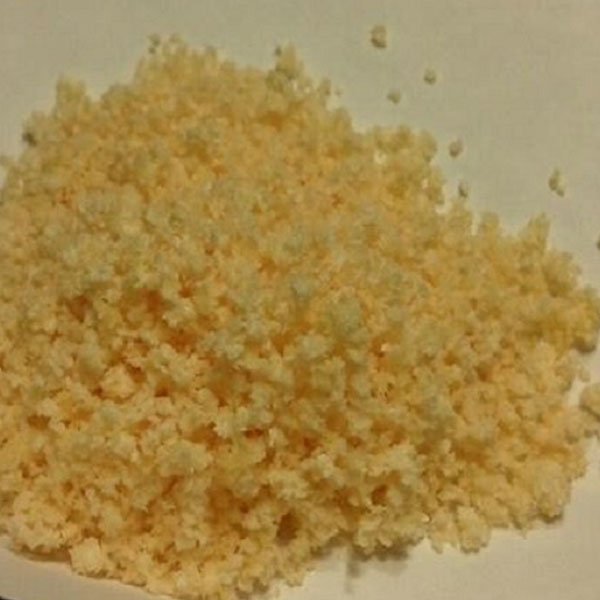
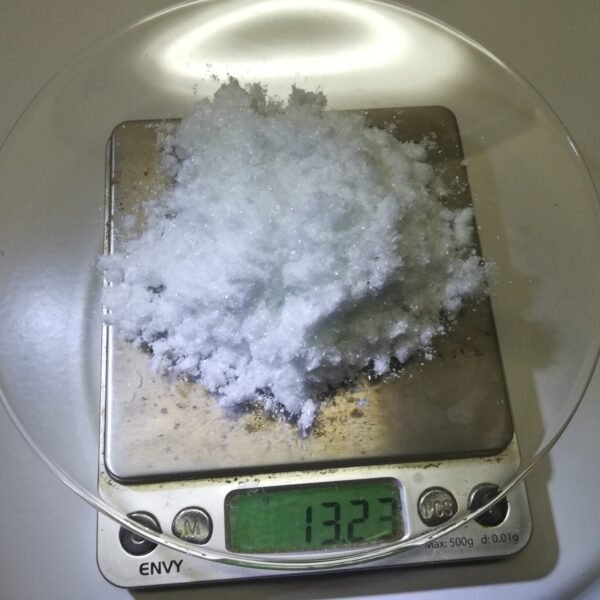
Active ingredient: HEX-EN (N-ethylhexedrone)
Nomenclature name: 2-(ethylamino)-1-phenylhexan-1-one
Molecular formula: C14H21NO
Molecular weight: 219.3
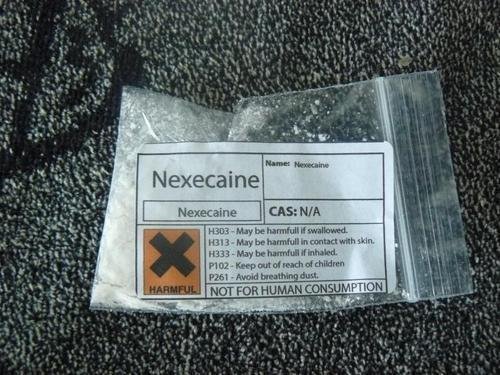
Nexecaine is a compound referenced in niche discussions related to synthetic or experimental substances. Due to limited publicly verified information and lack of approved medical use, it is important to approach this topic with caution and rely on safety-focused, factual insights.
This article provides a clear overview of nexecaine, focusing on its context, potential classification, and safety considerations.
Nexecaine is not widely documented in established medical or pharmaceutical literature. It is generally described in online or research-related contexts as a synthetic or experimental compound, though its exact classification may vary depending on the source.
Key points:
Due to limited verified data, the chemical structure and pharmacological profile of nexecaine are not well established in authoritative scientific sources.
In general, compounds discussed in similar contexts may:
⚠️ Important:
There is no confirmed, standardized scientific profile available.
Mentions of nexecaine may appear in:
However, it is not widely recognized in peer-reviewed medical literature.