Original price was: $50.00.Current price is: $30.00.

🔥 Boost Cellular Energy & Performance Understanding

Looking to better understand how your body produces energy, recovers, and performs at a cellular level?
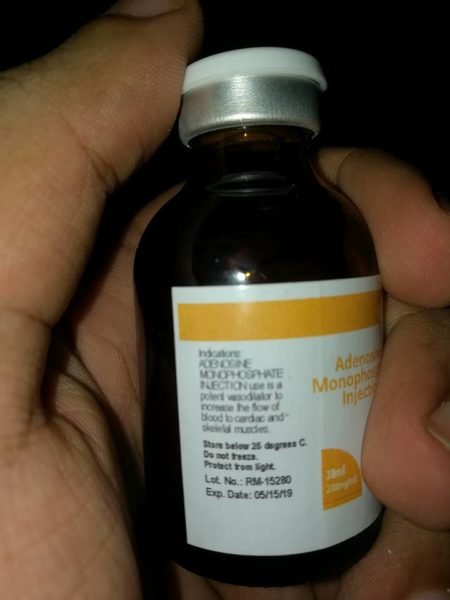
This Adenosine Monophosphate 200mg/ml guide explores one of the body’s key biochemical compounds involved in energy metabolism and performance.

If you’re focused on optimizing recovery, endurance, and overall vitality, understanding AMP is a powerful first step.


🧬 Product Overview

Adenosine Monophosphate (AMP) is a naturally occurring nucleotide that plays a critical role in cellular energy cycles, particularly in the conversion and regulation of ATP (adenosine triphosphate)—the body’s primary energy source.

This 200mg/ml concentration is commonly referenced in:

  • Biochemical research
  • Cellular energy studies
  • Performance science discussions

This page is intended for educational and informational purposes only.


💡 Key Benefits (Educational Perspective)

Understanding AMP can help you:

  • Understand Energy Production
    Learn how cells generate and regulate energy efficiently.
  • 🔄 Explore Recovery Mechanisms
    Discover how energy pathways impact muscle recovery and fatigue.
  • 🧠 Support Performance Knowledge
    Gain insight into endurance, stamina, and metabolic processes.
  • 📊 Improve Training Awareness
    Understand how energy systems affect workout performance.
  • 🔬 Deepen Scientific Understanding
    Explore how AMP interacts with ATP and cellular signaling pathways.

⚙️ Detailed Features

  • Compound: Adenosine Monophosphate (AMP)
  • Concentration: 200mg/ml
  • Format: Liquid solution (commonly referenced in research settings)
  • Function: Involved in cellular energy metabolism
  • Biological Role: Precursor and regulator in ATP energy cycles
  • Research Interest: Studied in endurance, fatigue, and metabolic pathways

🏋️ Use Cases / Scenarios (Informational)

People research AMP when:

  • Studying energy metabolism and ATP production
  • Exploring fatigue and endurance mechanisms
  • Learning about cellular recovery processes
  • Understanding biochemical performance factors
  • Comparing energy-related compounds in fitness science